Buy pop-art.eu ?
We are moving the project
pop-art.eu .
Are you interested in purchasing the domain
pop-art.eu ?
domain@kv-gmbh.de · 0541-91531010
Buy pop-art.eu ?
What is the difference between culture and tradition?
Culture refers to the beliefs, customs, arts, and social behaviors of a particular group of people, encompassing a broader range of practices and values. On the other hand, tradition specifically refers to the customs and practices that are passed down from generation to generation within a specific community or society. While culture is more dynamic and can evolve over time, traditions tend to be more static and rooted in history and heritage. **
What is the meaning of tradition, culture, and identity?
Tradition refers to the customs, beliefs, and practices that are passed down from generation to generation within a community or society. Culture encompasses the shared values, beliefs, and behaviors of a particular group of people, including their language, art, music, and social norms. Identity is the sense of self and belonging that is shaped by one's cultural background, traditions, and experiences. Together, tradition, culture, and identity form the foundation of a person's sense of belonging and connection to their community and heritage. **


Similar search terms for Tradition
Top-Angebote
Products related to Tradition:
-
Les Jardins LED path light Tradition Sensor Corten 90cm Tradition, dimmable, Brown / rust, Aluminium, Modern, outdoor solar lightsThe LED path light Tradition made of aluminum shows a modern cuboid shape and rust-brown corten steel finish. It can be operated autonomously thanks to equipment with solar module, rechargeable battery and motion sensor.- equipped with dimming function- operating time when fully charged: 5 h to 200 h (depending on light output)- protection class: IP66- alternatively rechargeable via USB connection- via ground spike (included) or permanently installable398,43 £*Shipping: 4,99 £Secure redirect to the provider
-
RLF Home Tradition Provance Valance"Fits Windows up to 50""W. Use multiples for Wider Windows. Decorator's quality fabrics. Fully lined with Poly/Cotton Ivory lining. Use a 2-1/2"" Continental Rod, a regular 3/4"" Curtain rod, Tension rod or Decorative pole no more than 1-3/8"" Diameter."64,49 $*Shipping: 0,00 $Secure redirect to the provider
-
"""Gardet Cuvee Brut Tradition Champagne - France""""""The color is yellowy honey gold. The aromas are decidedly winey and full. It explodes with hints of wheat and chalk. In the mouth it immediately gives white summer fruits with stone. Altogether fresh, with a full-bodied consistency that holds..."53,99 $*Shipping: 0,00 $Secure redirect to the provider


-
What is the difference between English Pop Art and American Pop Art?
English Pop Art and American Pop Art both emerged in the 1950s and 1960s as a reaction against traditional art forms, but they have some key differences. English Pop Art, led by artists like Richard Hamilton and Peter Blake, focused more on consumer culture and mass media, often incorporating elements of British popular culture. American Pop Art, on the other hand, led by artists like Andy Warhol and Roy Lichtenstein, placed a greater emphasis on the glamor and excess of American consumer society, with a focus on iconic American imagery. Additionally, American Pop Art tended to be more commercial and mass-produced, reflecting the consumerist nature of American society at the time. **
-
'Tradition or remnant?'
Tradition and remnant can be seen as two different concepts. Tradition refers to practices, beliefs, or customs that are passed down through generations and are actively maintained and celebrated within a culture or community. On the other hand, a remnant refers to something that remains from the past, often as a surviving trace or fragment of what once was. While tradition is actively upheld and passed down, a remnant may be a leftover or residual aspect of a culture or practice that has faded or disappeared over time. **
-
What are examples of pop culture?
Examples of pop culture include music, movies, television shows, fashion trends, social media platforms, and celebrity gossip. Pop culture is constantly evolving and can vary depending on the region and time period. Some current examples of pop culture include viral TikTok dances, popular Netflix series, and trending hashtags on Twitter. **
-
What is Pop Art as anti-art?
Pop Art as anti-art refers to the movement's rejection of traditional artistic conventions and its embrace of popular culture and mass-produced imagery. Pop artists sought to challenge the elitism and exclusivity of the art world by incorporating everyday objects and commercial imagery into their work. By blurring the lines between high and low culture, Pop Art aimed to democratize art and make it more accessible to the general public. This approach was seen as a direct challenge to the established norms of the art world, making it a form of anti-art. **

Is pop art considered art by you?
Yes, pop art is considered art by me. Pop art emerged in the 1950s and 1960s as a reaction against traditional artistic styles, and it often incorporates imagery from popular culture and mass media. Artists like Andy Warhol and Roy Lichtenstein used techniques such as screen printing and bold, vibrant colors to create their works. While some may argue that pop art is too commercial or superficial, I believe that it is a legitimate form of artistic expression that reflects the cultural and social context of its time. **
Can Pop Art be considered as art?
Yes, Pop Art can be considered as art. Pop Art emerged in the 1950s and 1960s as a reaction against traditional notions of art and culture. It incorporated imagery from popular and mass culture, such as advertising, comic books, and everyday objects, and presented them in a new and often ironic way. While some may argue that Pop Art lacks the traditional technical skill and depth of meaning found in other art movements, its impact on the art world and its ability to challenge and redefine the boundaries of art make it a legitimate form of artistic expression. **
Top-Angebote
Products related to Tradition:
-
Les Jardins LED pedestal lamp Tradition Sensor Corten 40cm Tradition, dimmable, Brown / rust, Aluminium, Modern, outdoor solar lightsThe Tradition aluminum LED pedestal luminaire features a modern cuboid shape and a rusty brown corten steel finish. It can be operated autonomously thanks to equipment with solar module, rechargeable battery and motion sensor.- equipped with dimming function- operating time when fully charged: 5 h to 200 h (depending on light output)- protection class: IP66- alternatively rechargeable via USB connection- via ground spike (included) or permanently installable300,82 £*Shipping: 4,99 £Secure redirect to the provider
-
Les Jardins LED path light Tradition Sensor Corten 90cm Tradition, dimmable, Brown / rust, Aluminium, Modern, outdoor solar lightsThe LED path light Tradition made of aluminum shows a modern cuboid shape and rust-brown corten steel finish. It can be operated autonomously thanks to equipment with solar module, rechargeable battery and motion sensor.- equipped with dimming function- operating time when fully charged: 5 h to 200 h (depending on light output)- protection class: IP66- alternatively rechargeable via USB connection- via ground spike (included) or permanently installable398,43 £*Shipping: 4,99 £Secure redirect to the provider
-
What is the difference between culture and tradition?
Culture refers to the beliefs, customs, arts, and social behaviors of a particular group of people, encompassing a broader range of practices and values. On the other hand, tradition specifically refers to the customs and practices that are passed down from generation to generation within a specific community or society. While culture is more dynamic and can evolve over time, traditions tend to be more static and rooted in history and heritage. **
-
What is the meaning of tradition, culture, and identity?
Tradition refers to the customs, beliefs, and practices that are passed down from generation to generation within a community or society. Culture encompasses the shared values, beliefs, and behaviors of a particular group of people, including their language, art, music, and social norms. Identity is the sense of self and belonging that is shaped by one's cultural background, traditions, and experiences. Together, tradition, culture, and identity form the foundation of a person's sense of belonging and connection to their community and heritage. **
-
What is the difference between English Pop Art and American Pop Art?
English Pop Art and American Pop Art both emerged in the 1950s and 1960s as a reaction against traditional art forms, but they have some key differences. English Pop Art, led by artists like Richard Hamilton and Peter Blake, focused more on consumer culture and mass media, often incorporating elements of British popular culture. American Pop Art, on the other hand, led by artists like Andy Warhol and Roy Lichtenstein, placed a greater emphasis on the glamor and excess of American consumer society, with a focus on iconic American imagery. Additionally, American Pop Art tended to be more commercial and mass-produced, reflecting the consumerist nature of American society at the time. **
-
'Tradition or remnant?'
Tradition and remnant can be seen as two different concepts. Tradition refers to practices, beliefs, or customs that are passed down through generations and are actively maintained and celebrated within a culture or community. On the other hand, a remnant refers to something that remains from the past, often as a surviving trace or fragment of what once was. While tradition is actively upheld and passed down, a remnant may be a leftover or residual aspect of a culture or practice that has faded or disappeared over time. **
Similar search terms for Tradition
-
RLF Home Tradition Provance Valance"Fits Windows up to 50""W. Use multiples for Wider Windows. Decorator's quality fabrics. Fully lined with Poly/Cotton Ivory lining. Use a 2-1/2"" Continental Rod, a regular 3/4"" Curtain rod, Tension rod or Decorative pole no more than 1-3/8"" Diameter."64,49 $*Shipping: 0,00 $Secure redirect to the provider
-
"""Gardet Cuvee Brut Tradition Champagne - France""""""The color is yellowy honey gold. The aromas are decidedly winey and full. It explodes with hints of wheat and chalk. In the mouth it immediately gives white summer fruits with stone. Altogether fresh, with a full-bodied consistency that holds..."53,99 $*Shipping: 0,00 $Secure redirect to the provider
-
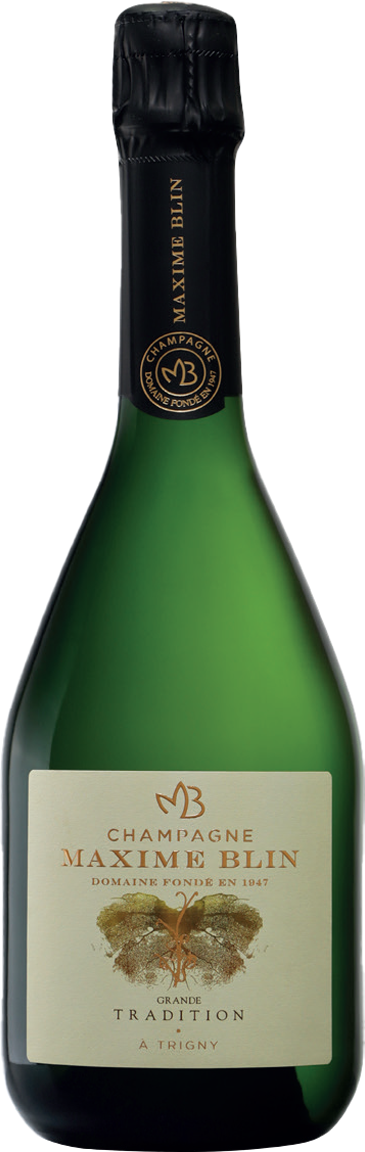
Champagne Brut 'Grande Tradition' Maxime BlinThe 'Grande Tradition' Brut Champagne from the French company Maxime Blin is a Champagne with a classic and refined style, reflecting the identity of the winery. This label is part of the 'Les Fondamentales' collection, a selection that brings together historical cuvées that fully embody the style of the Blin family, each focusing on a specific grape variety. In this particular case, the 'Grande Tradition' highlights the qualities of the Chardonnay cultivated in the Trigny area.The 'Grande Tradition' Maxime Blin Champagne comes from a blend of Chardonnay (90%) and Pinot Noir (10%) grapes grown under certified organic cultivation in the village of Trigny, within the Montagne de Reims area. Here, the vines enjoy excellent southern and south-eastern exposure and the sandy, clay-limestone soil matrix. Following the harvest, the grapes are subjected to a gentle pressing using a Coquard press, with the must thus obtained being transferred to stainless steel tanks for temperature-controlled alcoholic fermentation and subsequent complete malolactic fermentation. The vintage wine is then combined with 30% vins de réserve before bottle fermentation according to the Champenoise Method, combined with 36 months of maturation sur lattes. This is followed by dégorgement and final dosage as Extra Brut, with 4 g/l residual sugar.The 'Grande Tradition' Champagne Maxime Blin has a luminous straw yellow colour with a fine and persistent perlage. The aromatic bouquet expresses fragrant scents of citrus fruits and white flowers, surrounded by memories of bakery and mineral nuances. The taste is fresh, elegant and balanced, with a pleasant savoury trail that rests on a long citrus and mineral finish.57,00 £*Shipping: 48,00 £Secure redirect to the provider
-
Champagne Brut Grand Cru 'Tradition' GatinoisChampagne Gatinois Brut Grand Cru 'Tradition' reflects the structure and expressive depth of Champagne from Aÿ, a Grand Cru village located in the Vallée de la Marne, a few kilometres from Epernay. The village, where Pinot Noir reigns supreme with almost 90% of the entire vineyard area, is the largest of the Champagne villages with more than 4,000 inhabitants. Already famous in ancient times for the quality of its still wines, Aÿ is today established among the largest territories in all of Champagne for the cultivation of Pinot Noir.The Brut Grand Cru Champagne Gatinois 'Tradition' consists of a blend of Pinot Noir (80%) and Chardonnay (20%) grapes, varieties cultivated within the Grand Cru village of Aÿ on soils with a strong chalk component. In the cellar, the grapes undergo a soft pressing, followed by the alcoholic fermentation of the must and then the maturation of the vintage wine for a few months, which is then blended with 30% vin de reserve in the preparation of the sparkling wine base. This is followed by bottle fermentation according to the Champenoise Method, combined with at least 24-30 months of maturation on the lees in glass. This is followed by degorgement and final dosage as Brut, at 7 g/l residual sugar.The Champagne 'Tradition' Brut Grand Cru from the Gatinois sparkling wine company has a light, brilliant straw yellow colour with a refined perlage. Fresh aromas of pear, lime and white flowers emerge from the glass, supported by anelegant mineral timbre and deep hints of brioche and toasted hints. All complemented by the vinous note typical of Pinot Noir. Taste development endowed with excellent freshness and sapidity, with a good persistence in which the sensations previously perceived on the nose reappear.42,00 £*Shipping: 48,00 £Secure redirect to the provider
-
What are examples of pop culture?
Examples of pop culture include music, movies, television shows, fashion trends, social media platforms, and celebrity gossip. Pop culture is constantly evolving and can vary depending on the region and time period. Some current examples of pop culture include viral TikTok dances, popular Netflix series, and trending hashtags on Twitter. **
-
What is Pop Art as anti-art?
Pop Art as anti-art refers to the movement's rejection of traditional artistic conventions and its embrace of popular culture and mass-produced imagery. Pop artists sought to challenge the elitism and exclusivity of the art world by incorporating everyday objects and commercial imagery into their work. By blurring the lines between high and low culture, Pop Art aimed to democratize art and make it more accessible to the general public. This approach was seen as a direct challenge to the established norms of the art world, making it a form of anti-art. **
-
Is pop art considered art by you?
Yes, pop art is considered art by me. Pop art emerged in the 1950s and 1960s as a reaction against traditional artistic styles, and it often incorporates imagery from popular culture and mass media. Artists like Andy Warhol and Roy Lichtenstein used techniques such as screen printing and bold, vibrant colors to create their works. While some may argue that pop art is too commercial or superficial, I believe that it is a legitimate form of artistic expression that reflects the cultural and social context of its time. **
-
Can Pop Art be considered as art?
Yes, Pop Art can be considered as art. Pop Art emerged in the 1950s and 1960s as a reaction against traditional notions of art and culture. It incorporated imagery from popular and mass culture, such as advertising, comic books, and everyday objects, and presented them in a new and often ironic way. While some may argue that Pop Art lacks the traditional technical skill and depth of meaning found in other art movements, its impact on the art world and its ability to challenge and redefine the boundaries of art make it a legitimate form of artistic expression. **
* All prices are inclusive of VAT and, if applicable, plus shipping costs. The offer information is based on the details provided by the respective shop and is updated through automated processes. Real-time updates do not occur, so deviations can occur in individual cases. ** Note: Parts of this content were created by AI.